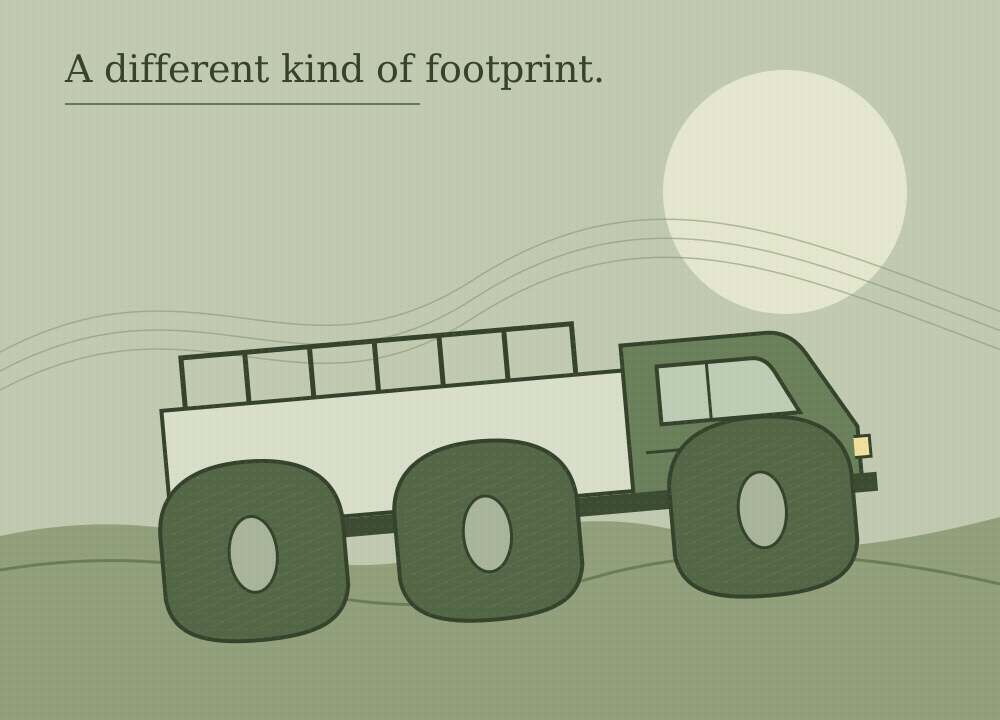
From our launch collection. Historical facts are linked below; founder lessons and revival proposals are our analysis.
The spark
Skip the supermarket. Order online. Get the groceries delivered. Webvan pursued a customer promise that is easy to understand even today: give people back the time they spend buying everyday necessities.
The customer problem and the business model deserve separate scrutiny. A service can be useful while the machinery required to deliver it costs too much.
Where the story turned
Webvan ceased operations in July 2001. Contemporary reporting described costly distribution infrastructure and insufficient demand to make the business profitable. The World Bank later used it as an example of infrastructure built ahead of demand.
That evidence points toward a mismatch between commitments and utilization. It does not establish a single cause for the company's collapse. Execution, financing, market conditions, and customer behavior can interact, and hindsight makes these stories look tidier than they were.
The founder's lesson
Our interpretation: separate evidence of demand from evidence of a sustainable operation. People liking delivery is one test. Enough repeat orders, close enough together, at a price that covers picking and transport is another.
Before expanding, measure contribution per order after the variable costs of serving it. Include failed deliveries, refunds, spoilage, and the time spent assembling a basket. A busy service can still lose money every time it rings the doorbell.
Could it spark again?
The broad concept already lives on in grocery delivery. A new founder's opportunity would need to be narrower: a particular customer, an underserved place, or a different fulfillment approach. The question is what advantage that new version could defend.
Our hypothesis is that a scheduled route for one dense neighborhood could be a better starting experiment than a large delivery footprint. That is a proposition to test, not a claim that the original company would have survived with this approach.
Try this before you build
Partner with one existing shop. Offer a limited basket and two scheduled delivery windows in one small area. Use a simple order form and fulfill manually.
Track repeat purchases, the real time spent per order, and contribution after all variable costs. Set your pass/fail criteria before taking orders. Only consider expanding if repeat demand and delivery economics both hold up.
Worth testing, one neighborhood at a time.
A starting point for investigation. Test the assumptions before investing in a revival.
The paper trail
Sources and further reading. Primary records, manufacturer information, and secondary coverage are identified below.